

How to Take a Good Photo of Your Teen on a Phone

Without Starting a Small Domestic Incident
I photograph teenagers for a living. Seniors, young adults, kids who love the camera and kids who barely tolerate it. I'm also a mom to a teenager and a nearly teen. It's no walk in the park, I'll tell ya that. I’ve watched confidence rise and collapse in the space of a single swipe. I’ve seen what happens when a teen feels seen and what happens when they feel exposed. This isn’t about aesthetics or trends. It’s about understanding the power dynamics at play when a teenager hands you a camera and says, “Can you take my picture?”
That’s a moment that doesn’t happen often, huh?
They’re standing there, phone-free, exposed in that specific way teenagers are when they’re deciding whether or not to trust you with something small but loaded. This is not a casual request. This is not “grab a quick pic.”
This is a test.
You raise your phone.You take the photo.They grab it, look once, and their face collapses.
“No. Delete that. Why did you zoom in? Why is Portrait Mode on? Why does it look like that?”
You thought you were being helpful.They think you just humiliated them on principle. So let’s talk about why this keeps happening, and how to stop blowing it.
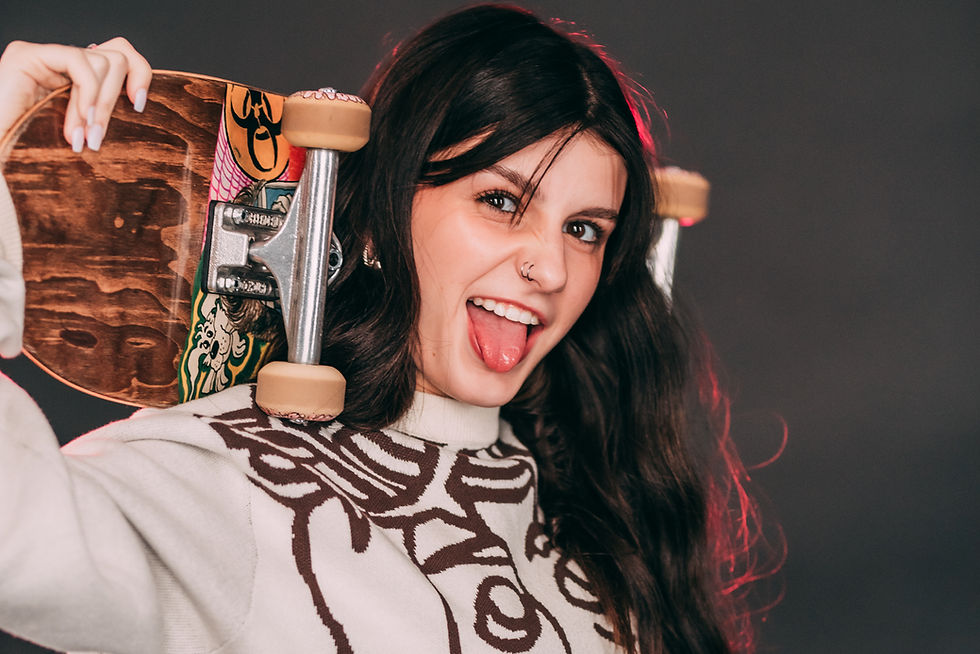
This Isn’t About Being Picky. It’s About Survival.
Teenagers are growing up with an awareness most of us didn’t have. They know that images last.They know that screenshots travel.They know that a bad photo doesn’t disappear just because someone meant well.
They are building an identity in public, whether they want to or not. Every photo feels like a small vote toward how they’ll be seen, remembered, categorized. They don’t yet have the power to control much in their lives, but they are trying to control this.
When they react strongly, it’s not drama. It’s self-preservation.
Why Parents and Teens Are Always at Odds With the Camera
Adults tend to photograph with nostalgia in mind.
We’re thinking:
They look happy.
They look grown.
I want to remember this.
Teens are thinking:
Is that my face?
Is that what people see?
Does that look like me, or like something you want me to be?
Same moment. Completely different stakes.
The Things That Almost Always Ruin the Photo
If you want the fastest route to a hard hearing "No, Mom, nevermind," here it is:
Standing too close
Zooming in with your fingers
Shooting from below their face
Turning on Portrait Mode
Commenting while you shoot
None of this feels neutral to a teen. It feels invasive. Like someone leaning too far into their personal space and judging and taking pictures of it.
How to Take the Photo Without Making It Weird
Step Back
Distance matters. Give them room in the frame. A little air. A little dignity.
Turn Portrait Mode Off
It distorts faces, blurs edges unpredictably, and turns a person into a phone experiment. Teens hate it. Turn it off before they even ask.
Don’t Zoom
If you want a closer shot, move your body. Digital zoom flattens and warps, and teens spot it immediately.
Take a Few Quiet Shots
Tap that shutter button. Don’t baby it. Don’t take three and stop like you’ve done them a favor. Take ten.
Options matter. Teens want choice. One photo feels like a verdict. Ten feels like agency.
No countdown. No commentary. No “wait, let me fix it.”
Just tap. Let them sort it out afterward.
Hand Them the Phone
Immediately. No hovering. No explaining. If they want it gone, delete it without defending your artistic choices.
You don't need to look over their shoulder while they scroll. Your job is complete, walk away. That last part matters more than you think.
What You’re Really Photographing
You’re not just taking a picture.

You’re being trusted with how they see themselves right now, in a phase where everything feels temporary and permanent at the same time. Where they’re trying on versions of themselves and deciding which ones stick.
A bad photo feels like proof they got it wrong.A good one feels like relief.
The Goal Isn’t the Photo
The goal is that they ask again.
If your teen voluntarily hands you the camera, you’re already in a good place. Treat it carefully. Don’t overthink it. Don’t overcorrect. Don’t turn on Portrait Mode.
They’re not asking you to document them.They’re asking you not to misunderstand them.
If you can do that, even briefly, you’re doing better than most. They might even ask you to take a photo again.
-Court


Comments